Hachimantai DMC (Official)

The Lacquer Culture of the Appi River Basin

From Forest to Vessel — A journey through nature’s blessings and the artistry of lacquer.

Japan’s relationship with lacquer (urushi) stretches back thousands of years. Archaeological discoveries reveal lacquered artifacts from as early as 9,000 years ago, making them the world’s oldest known lacquerware. In the Appi River basin, excavations have uncovered stone tools coated with lacquer dating back some 2,300 years.

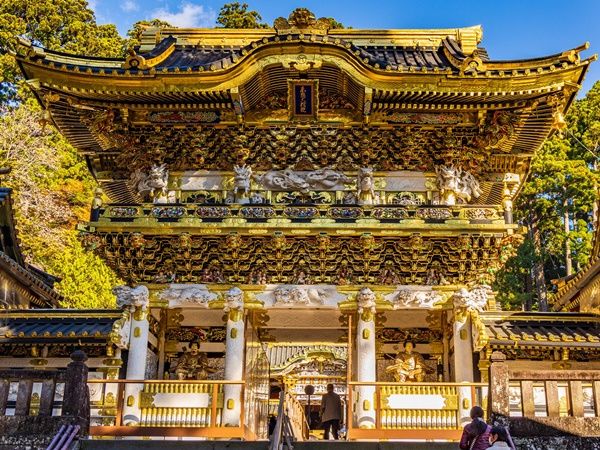
The lacquer tradition here flourished around 1,300 years ago with the founding of Tendai-ji Temple in Jōbōji, Ninohe City. Today, this area remains one of Japan’s most important producers of high-quality domestic lacquer, known as Jōbōji urushi. Valued for its clarity, strong adhesion, and hardness, it is used in the restoration of national treasures such as Chūson-ji’s Golden Hall in Hiraizumi, Kyoto’s Kinkaku-ji (Golden Pavilion), and Nikkō Tōshōgū Shrine.

What makes the Appi River basin unique is its integrated lacquerware production—from cultivating urushi trees to crafting and finishing the final product. Traditionally, entire communities of artisans supported this culture:
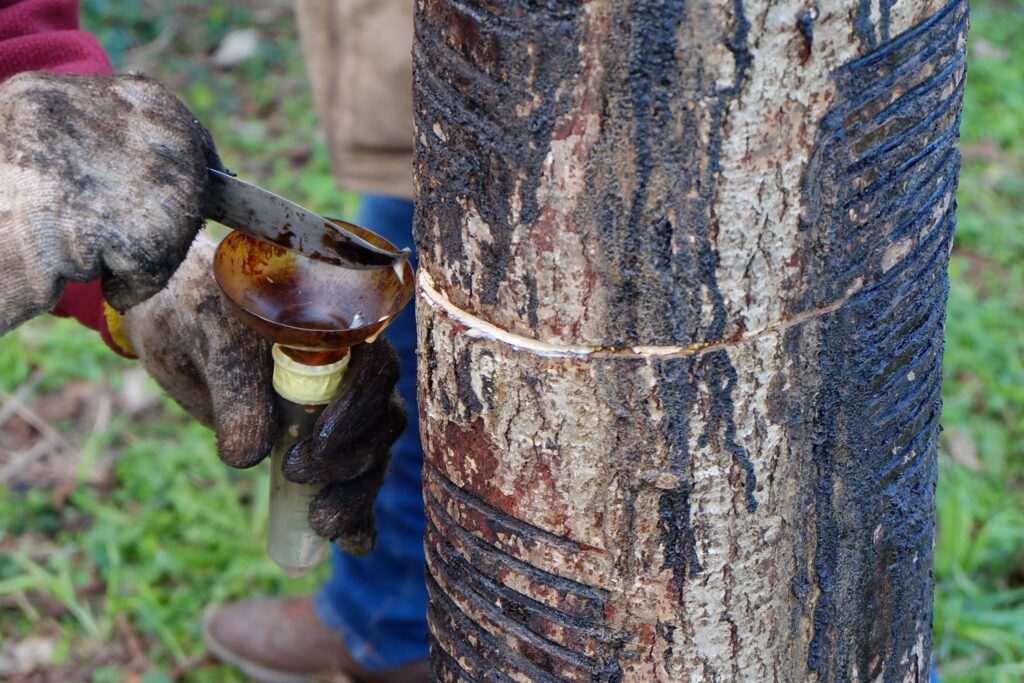
・Urushi tappers, who carefully harvested the precious sap
・Woodworkers, who shaped the wooden base of each vessel
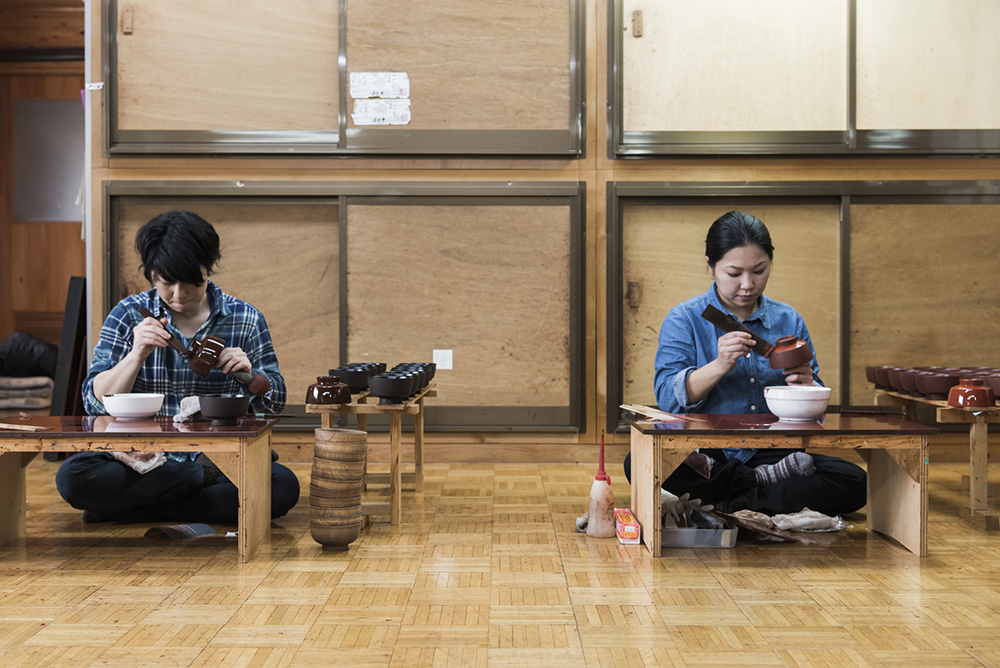
・Lacquerers, who applied layer upon layer of lacquer to achieve a deep, enduring finish

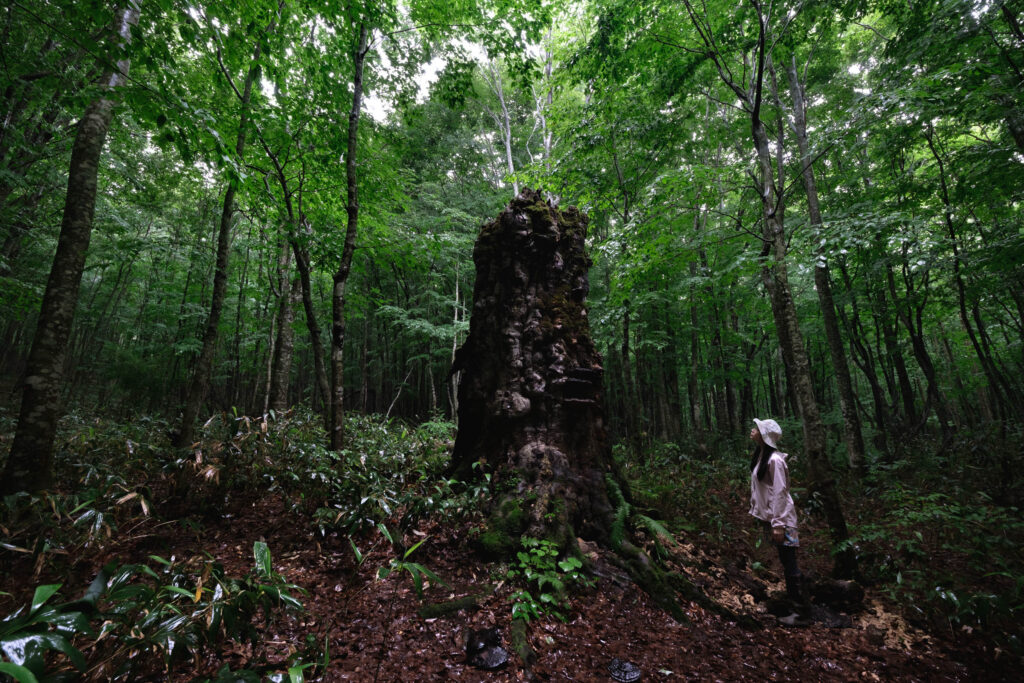
To craft the wooden bases of lacquerware, traditional woodworkers carefully selected trees. They left a few mother trees per hectare and enormous trees that could not be cut with saws, while harvesting other broadleaf trees as material. Over time, the logged forests naturally regenerated into lush secondary beech forests. This harmony between people and nature has long supported the region’s lacquer culture.

Here, lacquerware is not just something to look at—it is something to taste and experience. Imagine enjoying local cuisine and sake served in vessels crafted from lacquer harvested in this very region. It is more than a meal—it is a cultural encounter, a story of tradition, craftsmanship, and hospitality you can only find here.

CONTENT 1

Journey into the World of Urushi – From Forest to Craft

Discover the timeless culture of Japanese lacquer in the Appi River basin. From exploring the forests where urushi trees grow, to meeting the artisans of Tekiseisha, and even trying your hand at lacquering yourself, this immersive experience connects nature, craftsmanship, and tradition. It is a rare opportunity to witness how raw sap from the forest becomes exquisite vessels that carry Japan’s cultural heritage.

Explore the Lacquer Forest

Walk through the forests where urushi trees grow and discover how the natural environment nurtures this precious resource. Learn about the traditional tapping methods and the sustainable relationship between people and the forest.

Experience Appi River Basin’s Lacquer Craft Up Close

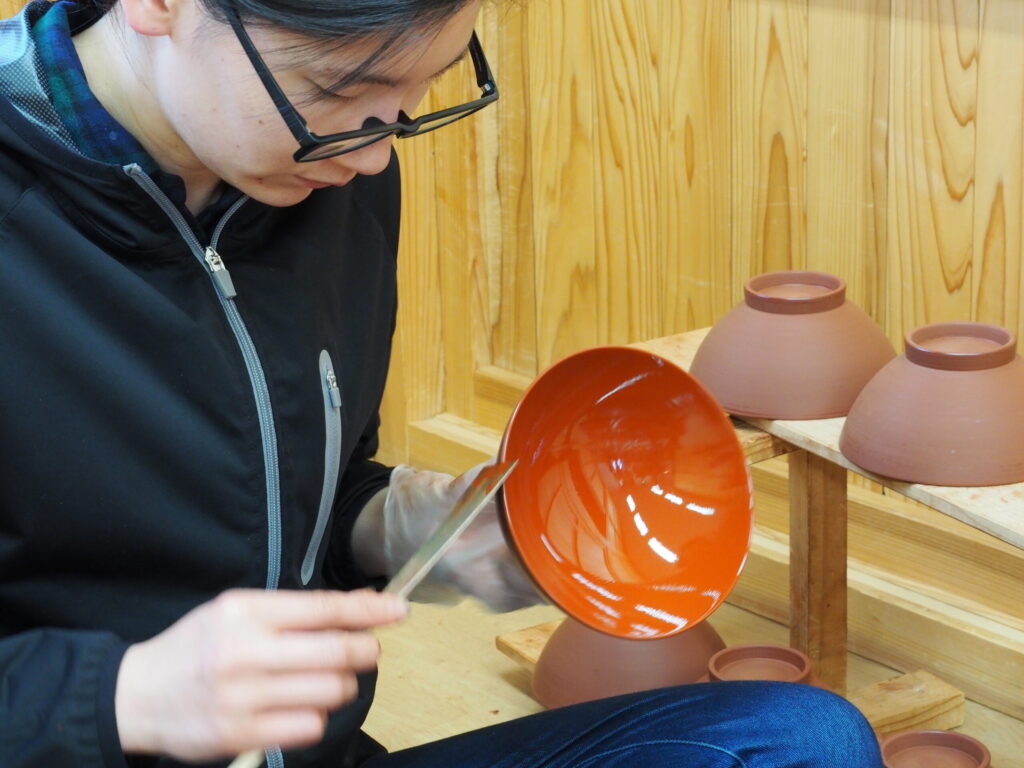
Visit workshops that preserve the traditions of Jōbōji and Appi lacquerware, and observe the artisans’ meticulous techniques up close. Learn about the process of harvesting urushi sap and applying layers of lacquer, and feel the living spirit of craftsmanship being passed down to the next generation.

Create Your Own Lacquerware

Under the guidance of skilled artisans, you can polish a lacquered plate to bring out its shine and decorate your own pair of chopsticks. Experience the depth of lacquer built through multiple layers and gain an appreciation for the patience and skill required to master this traditional craft.

CONTENT 2

Appi’s Living Landscape – Beech Forests and Pastoral Meadows

In Appi kogen, nature and human life have long existed side by side. The vast beech secondary forests tell a story of regeneration—once logged, they have grown back into a rich and thriving woodland. Just beyond, Naka-no-Makiba opens into gentle pasturelands, where cattle graze against the backdrop of sweeping highland views. Together, these landscapes invite visitors to experience both the quiet strength of nature and the pastoral charm of rural Japan.

Nature’s Second Breath

The extensive beech secondary forests surrounding Appi Highlands are the result of natural regeneration. Originally, these lands were covered with native forests, but logging exposed the soil. Over time, nature restored the area, creating the lush forests we see today.
This forest, which tells the story of harmony between humans and nature, is an ideal place to enjoy a peaceful walk, relax, and reconnect with the natural world.

Pastoral Landscapes of the Highlands

In northern Iwate, the Nambu region has been renowned for producing fine horses since the Nara period. While mechanization led to a decline in horse breeding, efforts are now underway to restore and preserve the historic pastures at Naka-no-Makiba, surrounded by lush secondary beech forests. Visitors can experience a glimpse of the region’s equestrian heritage in harmony with nature.

Optional Experiences

This content offers the following optional experiences:

Morning Yoga in the Beech Forest

Enjoy morning yoga amidst the resilient secondary beech forests that have naturally regenerated over time. Breathe in the fresh forest air as you stretch and awaken your body, harmonizing mind and spirit in a tranquil natural setting.

E-Bike Forest Trail Tour

Race along forest paths and thrilling trails, experiencing the breathtaking nature of Hachimantai Highlands. This adventure lets you feel the excitement of riding through lush landscapes while immersing yourself in the region’s natural beauty.

CONTENT 3

Taste of Tradition – Local Cuisine and Lacquerware Experience

Immerse yourself in the culinary heritage of the Appi River basin. Learn to prepare traditional local dishes using seasonal, locally sourced ingredients, guided by skilled artisans. Then, savor your creations served in exquisite Jōbōji lacquerware, a craft honed over centuries. This hands-on experience offers a unique opportunity to connect with Japan’s food culture, craftsmanship, and hospitality in one memorable moment.

A Special Time to Enjoy the Heartfelt Warmth and Smiles of the Region

Experience the authentic flavors and heartfelt hospitality of the region. Using seasonal local ingredients, you’ll learn to prepare traditional dishes that have been cherished for generations. This is more than just a cooking class—it’s an opportunity to connect with the culture and spirit of the community.
Listen to grandmothers’ stories and traditional tips while cooking, and be enveloped in a sense of comfort as if you’ve returned to your own home. This special experience offers warmth, nostalgia, and a genuine connection to the community.
As you gather around the table to enjoy the dishes you’ve prepared, you’ll feel like a part of the local community. This moment of shared food brings connection, joy, and a deeper understanding of regional culture.

Optional Experiences

This content offers the following optional experiences:

Local Gastronomy in Lacquerware

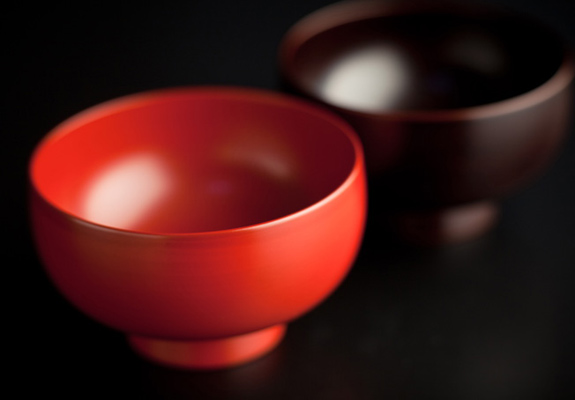
Centuries of tradition are embodied in Jōbōji lacquerware, enhancing the colors, aromas, and textures of every dish. Each bite becomes a full sensory experience. Through the harmony of cuisine and craft, you can feel the rich cultural heritage of the Appi River basin up close.

Inquiries & Consultation

Please Inquire About Your Preferred Dates.

Inquiry Form

Reference Price (Tax Included)

From ¥45,000 per person

*Prices may vary depending on the season. We will provide a customized quote upon request.

Recommended Season & Group Size

Included in

Not Included

* If you wish to arrange accommodation, additional lodging fees will apply.

* If you require a multilingual guide or transportation during the tour, additional fees will apply.

Icon Guide