The Lacquer Culture of the Appi River Basin
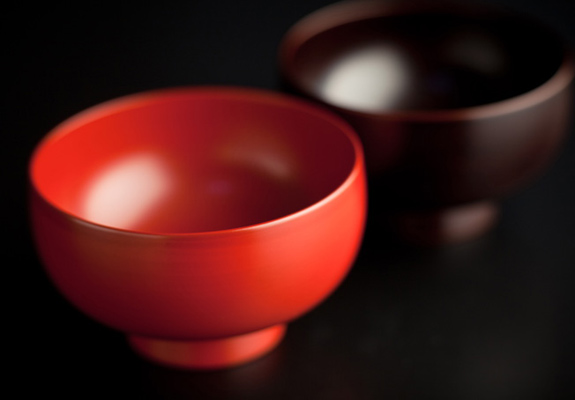
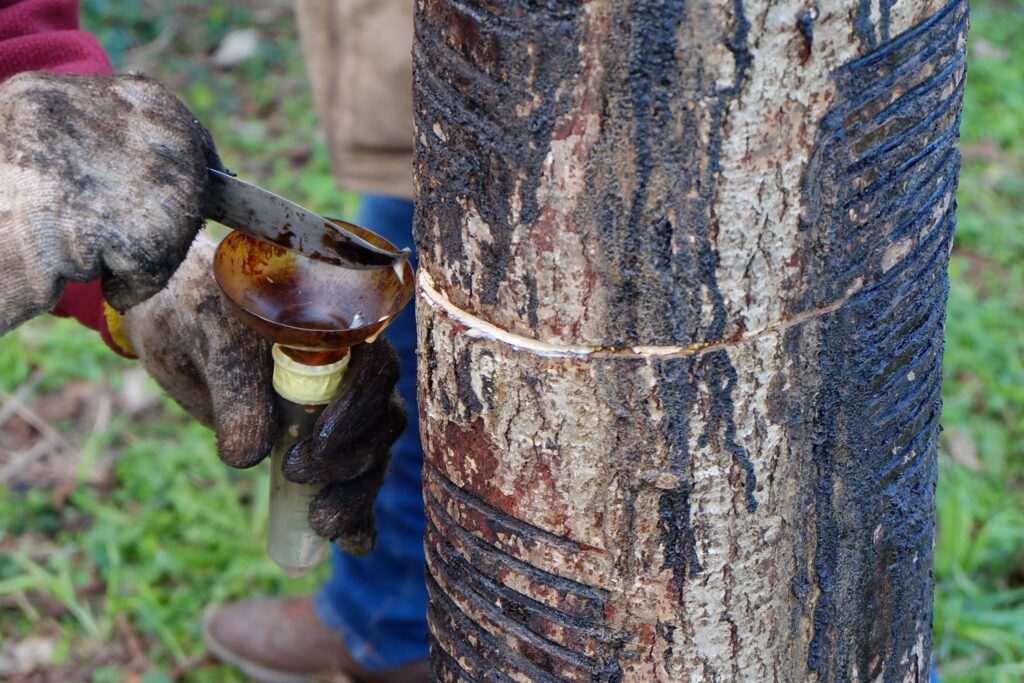
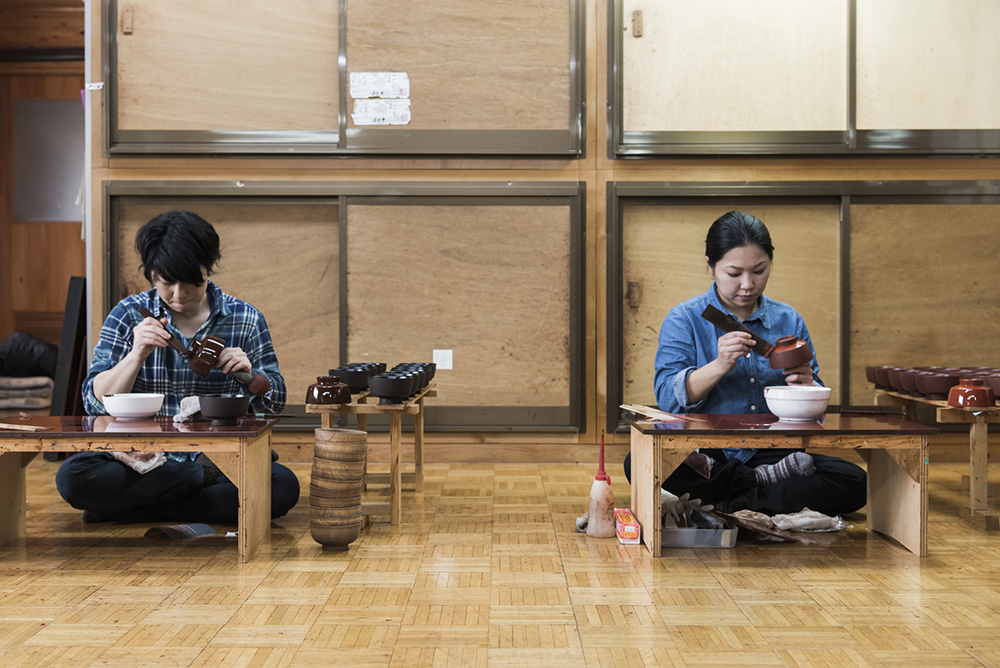
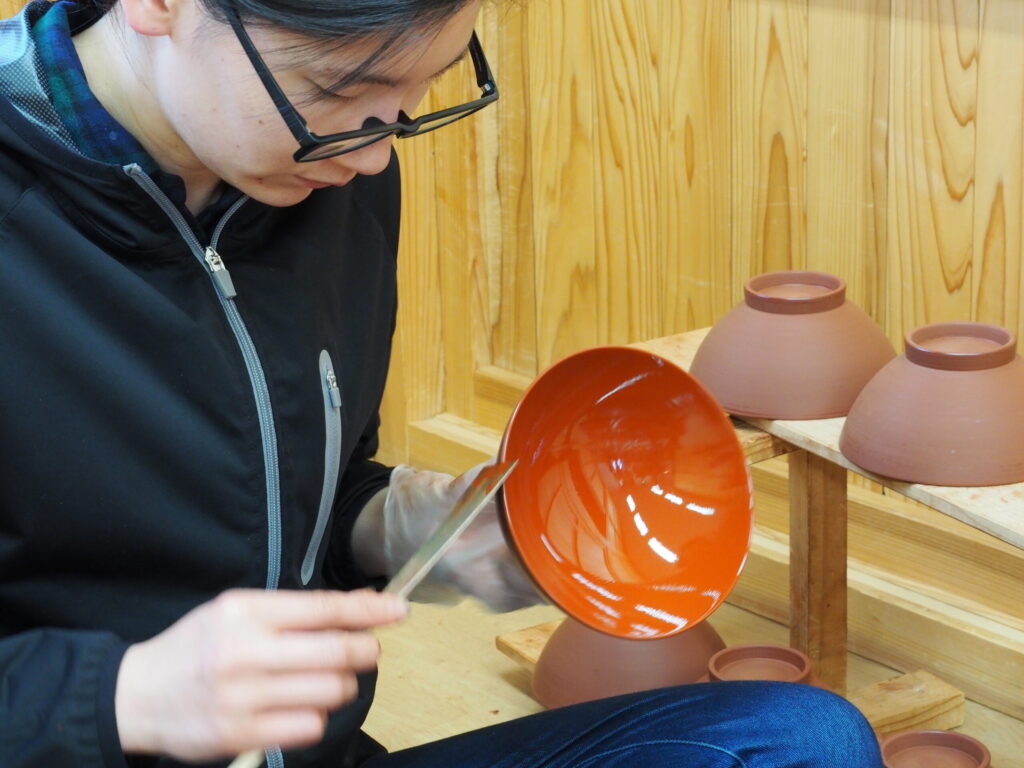
Visit workshops that preserve the traditions of Jōbōji and Appi lacquerware, and observe the artisans’ meticulous techniques up close. Learn about the process of harvesting urushi sap and applying layers of lacquer, and feel the living spirit of craftsmanship being passed down to the next generation.
Under the guidance of skilled artisans, you can polish a lacquered plate to bring out its shine and decorate your own pair of chopsticks. Experience the depth of lacquer built through multiple layers and gain an appreciation for the patience and skill required to master this traditional craft.
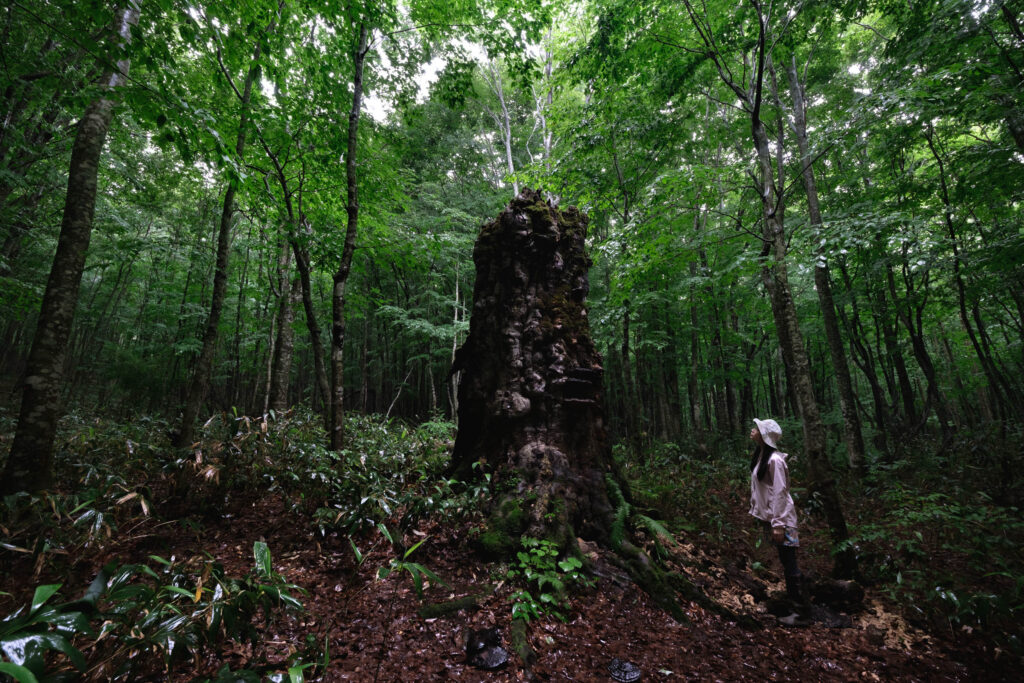
In Appi kogen, nature and human life have long existed side by side. The vast beech secondary forests tell a story of regeneration—once logged, they have grown back into a rich and thriving woodland. Just beyond, Naka-no-Makiba opens into gentle pasturelands, where cattle graze against the backdrop of sweeping highland views. Together, these landscapes invite visitors to experience both the quiet strength of nature and the pastoral charm of rural Japan.
In northern Iwate, the Nambu region has been renowned for producing fine horses since the Nara period. While mechanization led to a decline in horse breeding, efforts are now underway to restore and preserve the historic pastures at Naka-no-Makiba, surrounded by lush secondary beech forests. Visitors can experience a glimpse of the region’s equestrian heritage in harmony with nature.
Enjoy morning yoga amidst the resilient secondary beech forests that have naturally regenerated over time. Breathe in the fresh forest air as you stretch and awaken your body, harmonizing mind and spirit in a tranquil natural setting.
Race along forest paths and thrilling trails, experiencing the breathtaking nature of Hachimantai Highlands. This adventure lets you feel the excitement of riding through lush landscapes while immersing yourself in the region’s natural beauty.
Immerse yourself in the culinary heritage of the Appi River basin. Learn to prepare traditional local dishes using seasonal, locally sourced ingredients, guided by skilled artisans. Then, savor your creations served in exquisite Jōbōji lacquerware, a craft honed over centuries. This hands-on experience offers a unique opportunity to connect with Japan’s food culture, craftsmanship, and hospitality in one memorable moment.
Please Inquire About Your Preferred Dates.